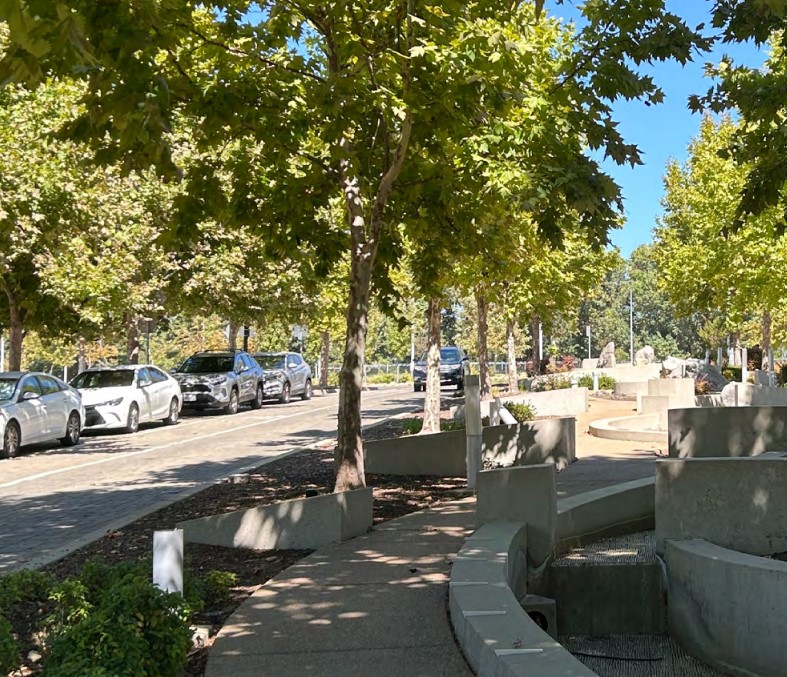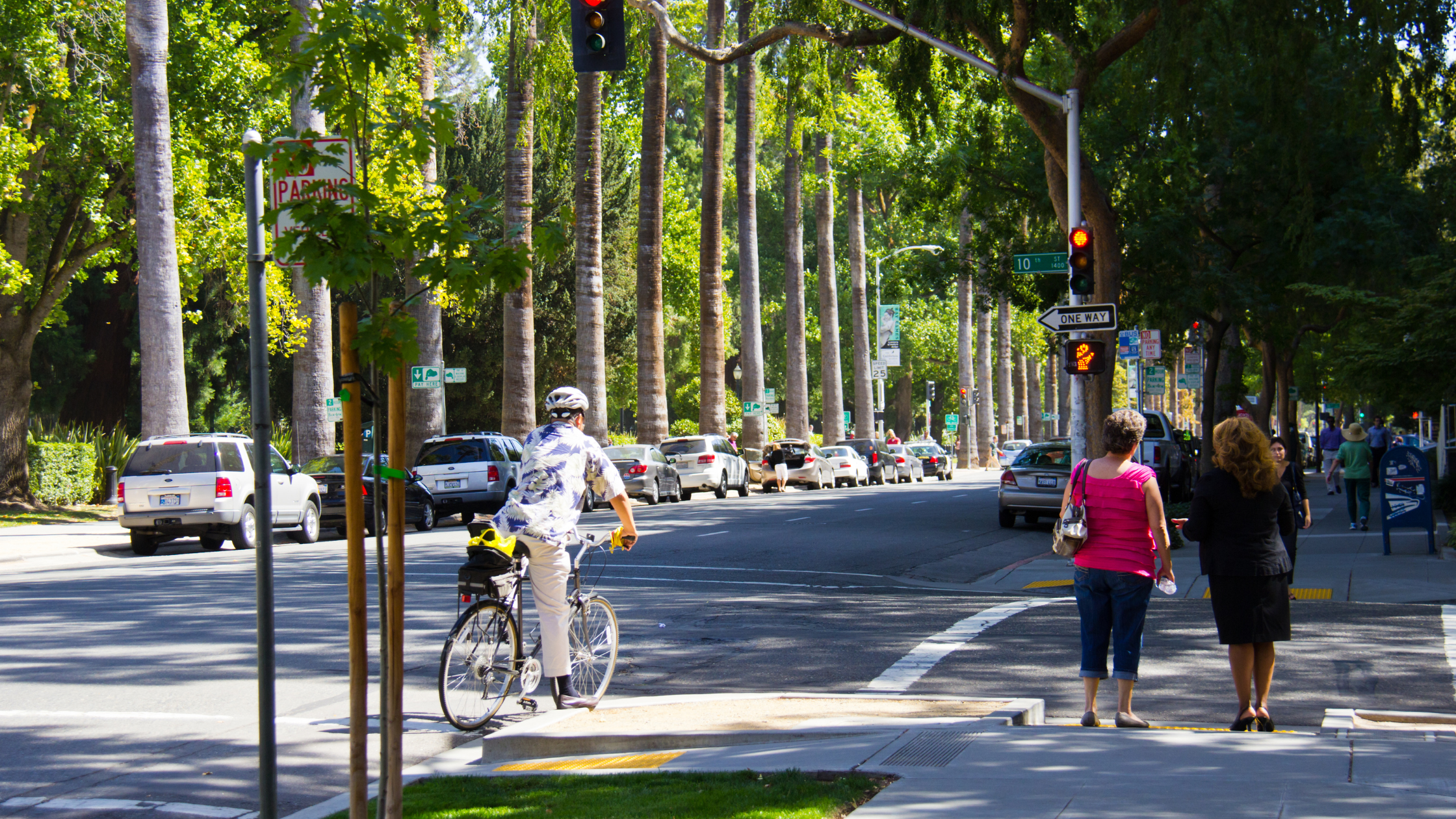
The Sacramento City Council last week approved the Neighborhood Connections Plan, a key initiative aimed at expanding the City’s active transportation network by creating low-stress routes for walking, biking, and rolling. The plan, developed over two years with extensive community input, will serve as a foundational element of the broader Streets for People Active Transportation Plan.
The newly adopted plan focuses on improving connectivity within neighborhoods by prioritizing traffic-calmed streets, safer crossings, and enhanced wayfinding.
“Sacramento is committed to making our streets safer and more accessible for everyone, regardless of how they travel,” said Jeff Jelsma, transportation planner with the Department of Public Works. “The Neighborhood Connections Plan is a major step toward creating a more equitable and sustainable transportation system, giving residents better access to essential destinations while reducing reliance on single-occupancy vehicles.”
The plan aligns with the Sacramento 2040 General Plan and the Climate Action and Adaptation Plan, aiming to increase active transportation mode share to 6% by 2030 and 12% by 2045. It also seeks to enhance connections to public transit, helping the City reach its goal of 11% transit mode share by 2030.
With 237 miles of primary network routes and 194 miles of secondary routes, the plan will provide improved access to schools, parks, shopping centers, and essential services. Notably, within 200 feet of the network, 90% of K-12 schools, 68% of essential services, and 86% of civic needs locations will be accessible.
While the estimated cost to implement the citywide plan is approximately $676.9 million, funding for specific projects will be pursued through grants and private development partnerships. The approval of the plan does not yet commit funds to its implementation.
The Neighborhood Connections Plan was recommended for approval by the Active Transportation Commission in January and was developed with input from community members through a three-phase engagement process. It is funded by a Caltrans Sustainable Communities Grant and required plan adoption by February 2025.
Adoption of the full Streets for People Plan is expected in summer 2025.