The City of Sacramento’s Street to Housing pilot program has reached a critical first milestone, successfully helping an initial group of people experiencing unsheltered homelessness transition from encampments directly into apartments.
Backed by $5.85 million from the State’s Encampment Resolution Funds (ERF), the pilot program follows a “housing-first” approach to connect 100 unsheltered households living in encampments with stable, permanent housing.
Participants in the program receive up to a year of rental assistance, intensive case management and stabilization services, with the goal of people maintaining their apartments or moving to other positive housing outcomes by the program’s end.
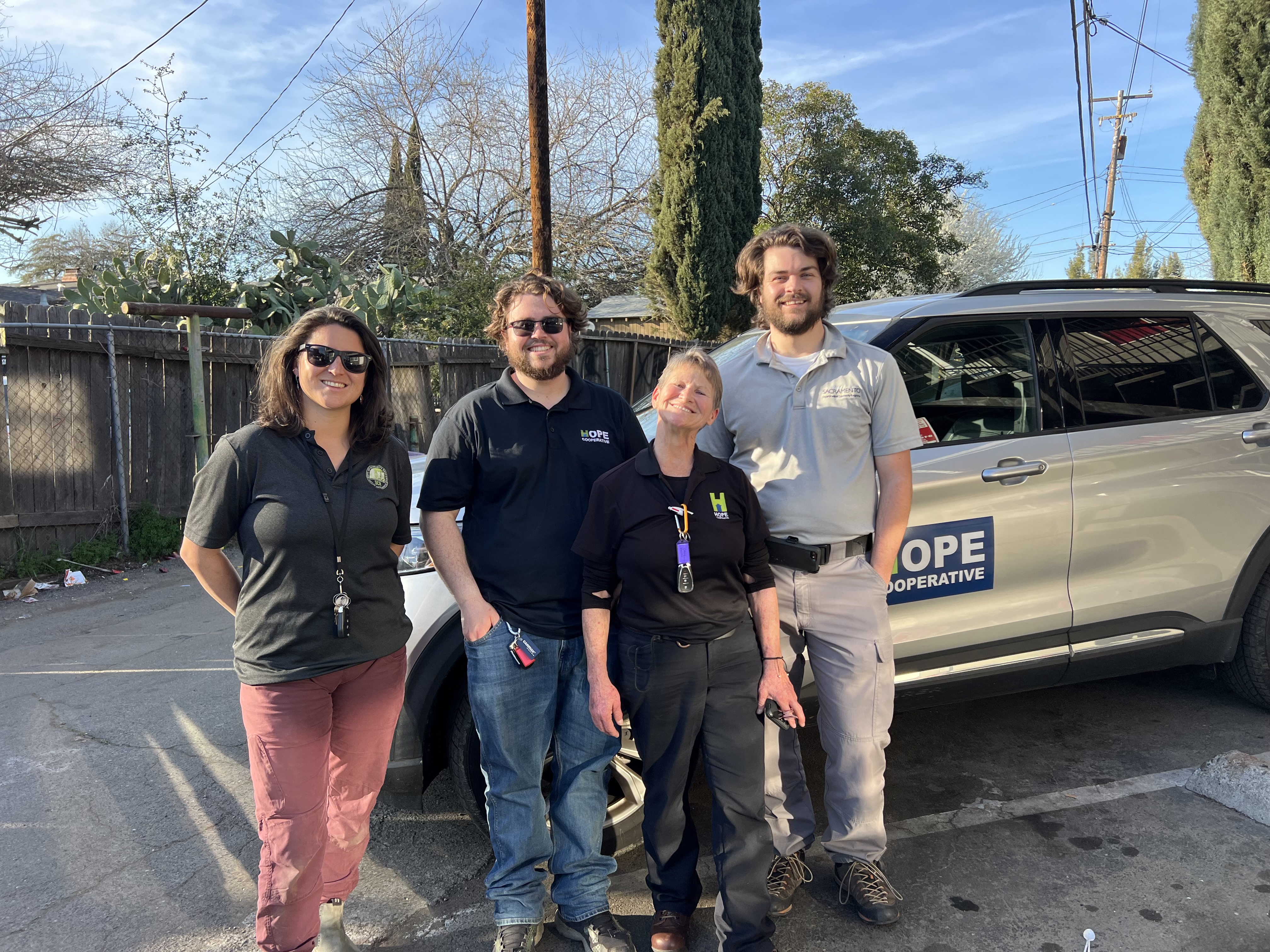
“We’re encouraged by the early success of this pilot and proud to see people moving into stable housing so quickly,” said Sarah Schwartz, neighborhood resource coordinator with the City’s Department of Community Response, who worked directly with the individuals at the site.
Engagement at the first encampment site in North Sacramento began Feb. 10 and served as the starting point for the pilot program. Through this initial effort, five identified households, consisting of eight people – including a family with an infant and two minor children – were moved from the encampment into apartments.
The process from initial outreach and engagement to housing placement spanned several weeks and focused heavily on building trust with individuals at the encampment. This relationship-building was essential in helping participants successfully apply for and move into housing, Schwartz said.
The City’s grant identified the encampment areas around the Sacramento Northern Parkway as an area with high concentrations of encampments and plans to address them in phases, providing individuals at each location with tailored support and pathways into stable housing.
The hope is to build on this momentum and “help even more people take that first step off the streets,” Schwartz said.
Engagement process and partner roles
The City’s Street to Housing pilot program involves several key steps:
- Outreach and engagement: Build relationships with encampment residents and on-site assessments to understand the housing needs of encampment residents.
- Individualized support plans: Develop tailored plans addressing each individual’s housing and service needs.
- Housing placement: Assist people in securing permanent housing, providing approximately 12 months of rental assistance.
- Supportive services: Offer case management and stabilization services to promote long-term housing stability.
The Street to Housing pilot program marks a new approach to housing people experiencing homelessness for the City. Instead of first placing people in an emergency shelter when they come off the street, the program helps unsheltered residents to immediately secure a lease to an apartment, which they hold in their own names, and surrounds them with supportive services, including helping them to access Social Security, food programs and other benefits.
Supported with technical assistance by Clutch Consulting Group, the City offers overall oversight and program coordination. Community HealthWorks leads efforts in landlord engagement, building housing unit inventory, and provides housing stabilization case management, while Housing Connector handles rent administration.
Sacramento Steps Forward, the Continuum of Care for the City and County of Sacramento, is also providing case conferencing support to ensure residents are able to transition into or maintain ongoing housing once the rental assistance ends.
Together, all partners work in close coordination to ensure a seamless and successful transition from encampment to permanent housing.
“We’re grateful to the landlords who have stepped up to be part of this effort and opened their doors to residents moving out of encampments,” said Kelly Bennett, founder and CEO at Community HealthWorks. “Their willingness to participate is making a real difference in people’s lives. We encourage other property owners who are interested in being part of this solution to reach out and learn how they can get involved.”
“Housing Connector believes no unit should sit vacant while there are people in need of a home,” said Shkëlqim Kelmendi, founder and CEO at Housing Connector. “As a part of this initiative, we look to make it easier for landlords to be a part of the solution and for people to stay stably housed.”
Looking forward
With the initial success of the first encampment area, the pilot program looks to build on that momentum, with efforts now shifting to the second encampment group. The process will continue until 100 households have been moved into permanent housing.
Lessons learned from the initial phase will help refine the pilot program’s approach, with the goal of enhancing its impact and effectiveness in addressing homelessness across Sacramento.
Projects like the Street to Housing pilot program are a key contribution to the Regionally Coordinated Homelessness Action Plan (RCHAP), a comprehensive initiative aimed at reducing homelessness, creating faster pathways to housing, ensuring equitable access to housing and services and increasing transparency and accountability across the entire system.
Click here to learn more about the City’s comprehensive response to the homelessness crisis.
Related articles