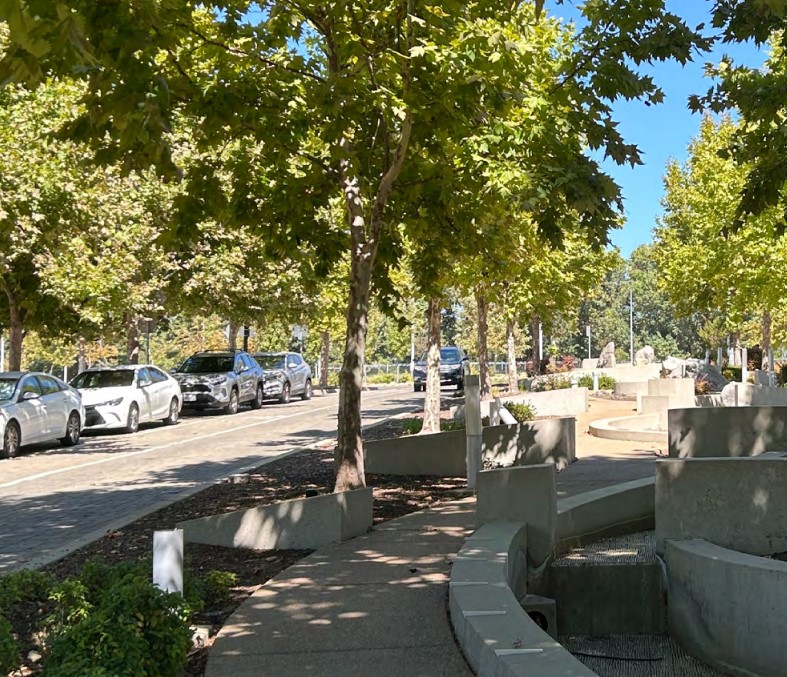
In a unanimous vote Tuesday evening, the Sacramento City Council adopted a comprehensive 20-year Urban Forest Plan aimed at doubling the city’s tree canopy by 2045, addressing long-standing inequities in shade and green space, and supporting Sacramento’s goal of carbon neutrality.
Following a public hearing, councilmembers approved the Urban Forest Plan as a formal component of the City’s 2040 General Plan and Climate Action and Adaptation Plan. It sets a target of achieving 35% citywide tree canopy—up from the current 19%—through a combination of public and private investment in tree planting, maintenance, and stewardship.
“Trees are not a luxury—they are critical infrastructure,” said Rachel Patten, Sustainability Program Manager for the Department of Public Works. “They cool our streets, clean our air, and improve the health and quality of life for everyone, especially in neighborhoods that have long been under-resourced.”
The plan represents a seven-year effort that included multiple rounds of public outreach, detailed data analysis, and coordination across departments and partner agencies. Sacramento’s inventory of City-maintained trees has grown steadily in recent years—from about 90,000 in 2018 to nearly 107,000 today.
That includes approximately 2,500 new trees planted by the City since January 2024, with about 1,500 along streets and trails and another 1,000 in parks. While the City prioritizes its planting efforts, it manages only about 10% of Sacramento’s trees and owns just 9% of the land, meaning most of the canopy is on private property.
The plan underscores that while the City will continue planting more trees than are lost each year, reaching the 35% canopy goal will require sustained participation from residents, businesses, schools, and other landowners.
Since January 2024, the Sacramento Tree Foundation has planted more than 3,100 trees on private property within City limits, including nearly 3,000 at homes and more than 100 at schools and businesses.
Key components of the plan include:
- An annual community-wide planting goal of approximately 25,000 new trees to meet canopy targets.
- Prioritizing planting and maintenance in historically disadvantaged neighborhoods and heat-vulnerable areas.
- Enhancing tree protection ordinances and requirements for trees in development, particularly for residential property and parking lots.
- Identifying the need to increase funding for urban forestry through new revenue sources.
- Promoting species diversity to protect against pests, disease, and climate impacts.
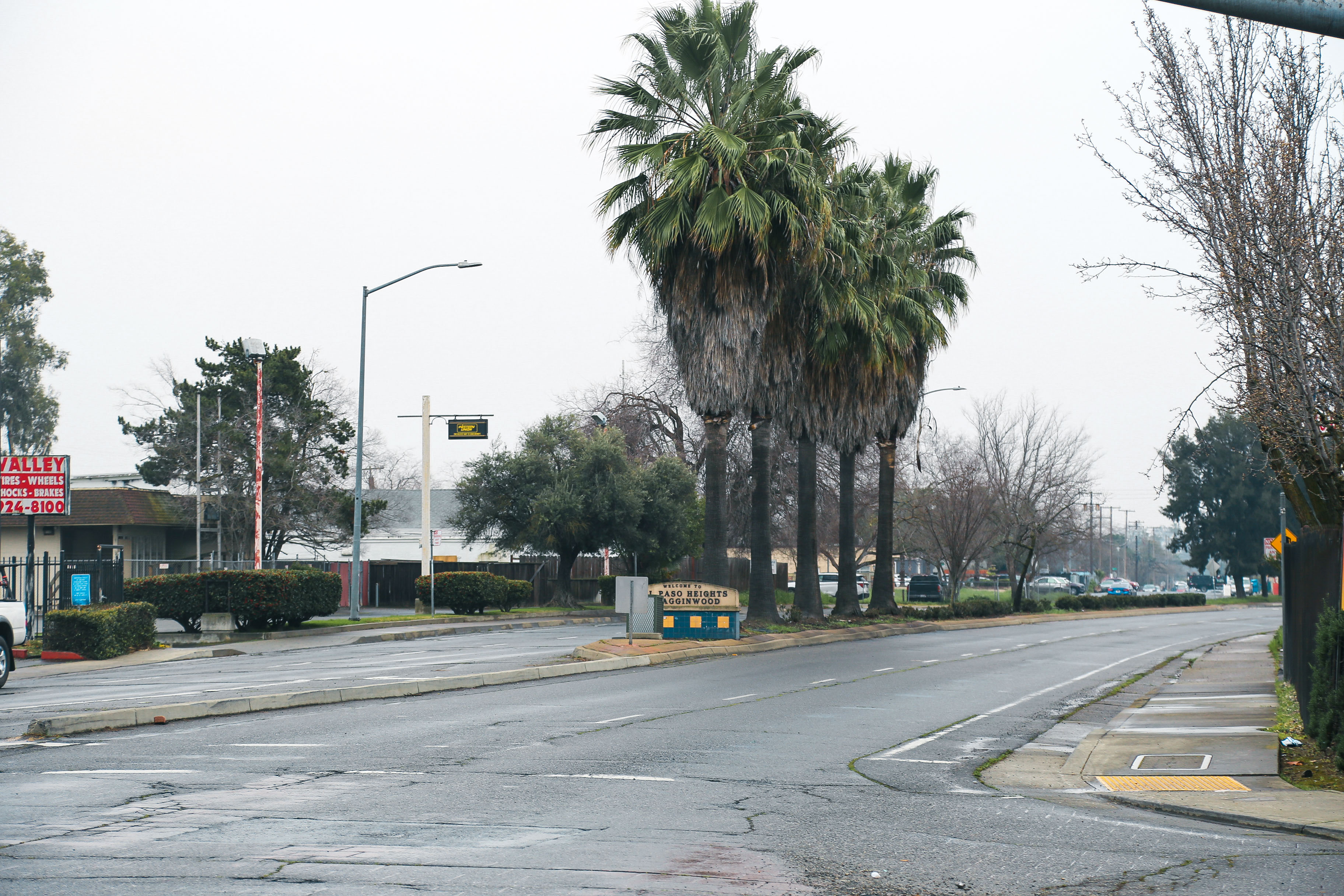
A major focus of the Urban Forest Plan is addressing environmental equity. According to the plan and supporting studies, neighborhoods with the lowest tree canopy coverage—often low-income communities and communities of color—experience higher daytime temperatures, reduced air quality, and greater exposure to climate-related health risks.
The plan identifies these areas as “priority intervention areas” and directs tree planting, outreach, and funding efforts toward them to improve access to urban forest benefits and build climate resilience.
“This is about more than trees,” Patten said. “It’s about environmental justice and making Sacramento healthier, safer, and more resilient for future generations.”
As part of the adoption, Council also directed staff to establish a working group with key community careholders to jointly review and develop ways to effectively implement the plan’s strategies, polices and actions.
The City plans to report annually on its progress and revisit the plan every five years to adapt to emerging challenges.