During the City of Sacramento’s Sept. 16 homelessness workshop, Department of Community Response Director Brian Pedro presented the City Council with updates on several strategies for bolstering the City’s homelessness response, including progress reports on new Safe Camping and Safe Parking sites.
But it was the “Micro-Communities for Seniors” program—which was initially approved at an April 29 homelessness workshop—that garnered the most attention and feedback from councilmembers and others.
To be more cost-effective and client-centered, Pedro previously recommended the City pivot away from large, congregate homeless shelters and toward small communities of tiny homes supporting specialized populations, such as seniors aged 55 and older.
“The City has made major progress toward providing safe shelter and connections to supportive services, but there are still many people in our community who need a safe place to stay,” said Pedro, who also leads the City’s Incident Management Team responding to homelessness. “Offering seniors the option to move into a micro-community creates a dual benefit: it provides them with stable interim housing and frees up space in our emergency shelters.”
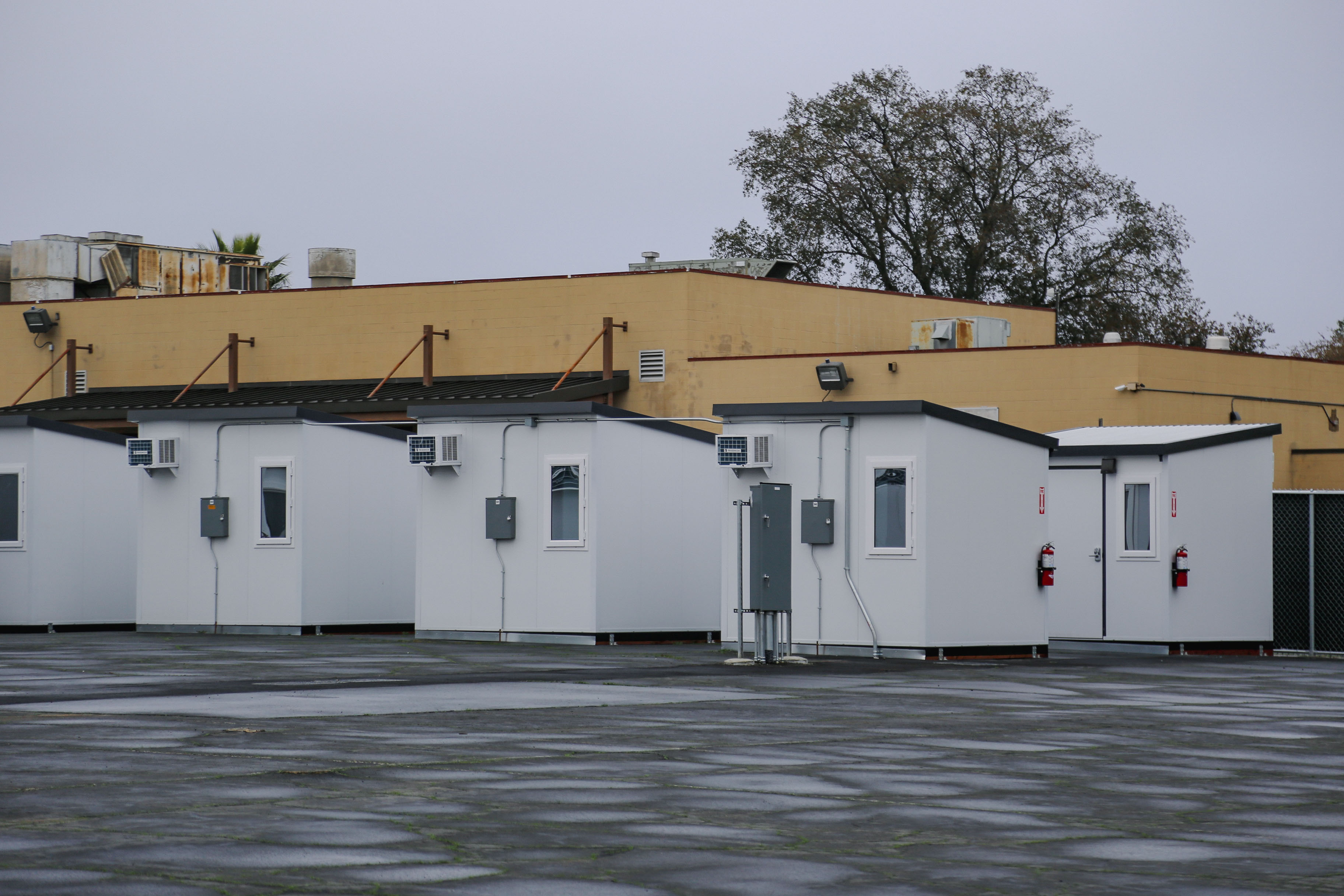
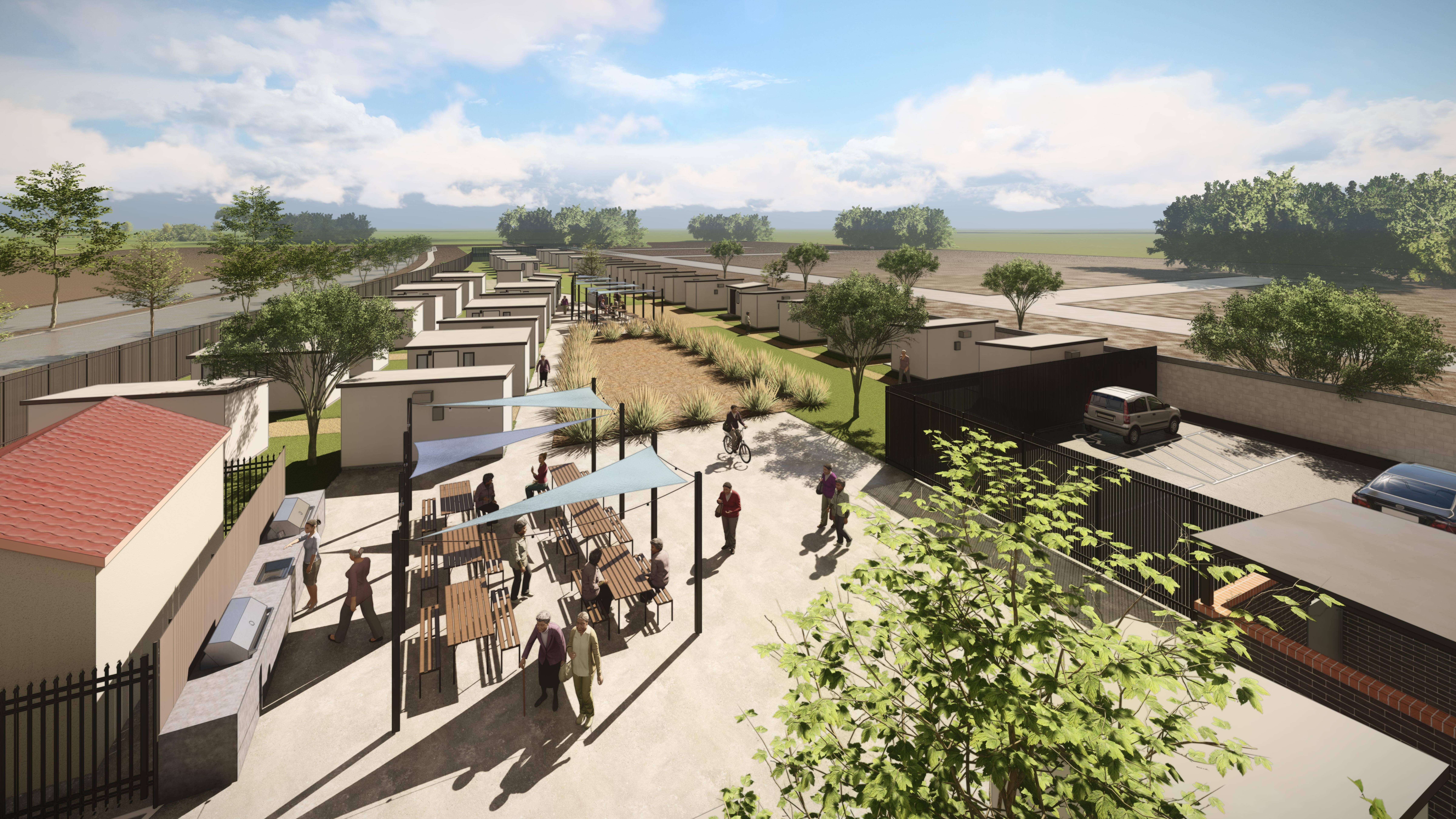
Placed on vacant City-owned parcels, these communities would contain no more than 40 units. Each tiny home would be equipped with electricity, heating and air conditioning. Other amenities would include bathrooms, showers and a kitchen facility, 24/7 onsite security, internet, laundry, storage and connections to supportive services. Residents will be asked to contribute up to 30 percent of their monthly earnings toward program costs after a 90-day grace period.
Utilizing prefabricated units and an on-demand service model, these micro-communities are far less expensive to build, operate and sustain when compared to congregate shelters, Pedro said, saving the City millions of dollars and enabling it to help more people.
The City currently funds 18 shelter sites with a total capacity of 1,375 beds at an annual operating cost of $28 million. With reduced state funding anticipated this year through the Homeless Housing, Assistance and Prevention (HHAP) grants, Sacramento faces the challenge of expanding shelter and housing options while working with fewer resources.
The City Council in 2023 granted the City Manager the authority to site new facilities serving people experiencing homelessness, and the locations for the first four Micro-Communities were announced at the workshop. They are:
- 3511 Arena Boulevard in Council District 1
- 6360 25th Street in Council District 5
- 2461 Gardendale Road in Council District 8
- A site under review in Council District 7
The City has developed the following FAQ to better help the public understand what Micro-Communities are and how they will operate.
Q: What are Micro-Communities and who will they serve?
A Micro-Community is a City-operated interim housing program where stable people 55 years and older who are currently staying in our emergency shelters, on a fixed income—and cannot find housing they can afford—can live for an intermim period of time.
Q: How will Micro-Communities work?
Placed on vacant City parcels, these communities will contain no more than 40 micro-home units. Each micro-home will be equipped with electricity, heating and air conditioning. Other amenities will include bathrooms, showers and a kitchen facility, 24/7 onsite security, internet, laundry and connections to supportive services.
Q: Why is the City of Sacramento focusing on serving seniors in its Micro-Communities?
Seniors are one of the fastest growing homeless populations. In Sacramento, 22% of our homeless population are 55 and older. Many seniors are on a fixed income and cannot afford market-rate housing. They often end up in City homeless shelters when they could live independently if there were an affordable option for them.
Q: How many Micro-Communities is the City currently planning?
The City of Sacramento is currently planning four Micro-Community sites in Council Districts 1, 5, 7 and 8.
Q: How will people be selected to participate in the Micro-Community program?
People will be referred into the program by the Department of Community Response. Participants will need to have an income to participate in the program and have met criteria demonstrating they would be successful living independently in a micro-community. There will be no “walk-up” intakes to the Micro-Communities.
Q: Are people being asked to use part of their income to stay in a Micro-Community?
Yes, participants would pay 30% of their income per month after an initial 90-day grace period. The City believes that paying a program fee encourages self-sufficiency, promotes dignity and increases program sustainability.
Q: Will there be 24-hour security and supportive services at Micro-Communities?
Yes, there will be 24-hour security monitoring at the Micro-Communities. Daytime visiting hours will be established, and no overnight guests will be allowed. Bag checks will be required. In addition, there will be a Good Neighbor Policy, and caseworkers will be in the Micro-Communities daily, offering connection to all supportive services currently available.
Q: Will pets be allowed at Micro-Communities?
Yes, a maximum of 40 animals will be allowed per Micro-Community site. Pets must be registered, vaccinated, spayed/neutered (provided free). Pets will be limited to two small or one medium dog or cat. Dogs must be leashed at all times.
Q: Are Micro-Communities the same as traditional emergency shelters?
No. Micro-Communities differ significantly from emergency shelters, which traditionally are larger facilities that serve the most vulnerable for a limited time (usually up to six months). Micro-Communities by contrast are smaller and serve stable seniors who have a demonstrated history of being able to live more independently. People can also stay longer in Micro-Communities. Technically speaking, Micro-Communities are defined as “interim supportive housing,” which is a form of emergency housing and offers a middle ground between shelters and permanent housing.
Q: Have other cities established their own Micro-Communities?
Elements such as the program fee make Sacramento’s Micro-Community program distinctive, however, cities across California have launched transitional or interim housing programs using pre-manufactured units, including San Jose, San Francisco and Santa Barbara. Sacramento will be the first to offer this type of interim supportive housing, where, as long as clients abide by the rules and requirements, participants can stay until a permanent housing option becomes available.
Q: What units will be used to create the Micro-Communities?
The City is planning to use pre-manufactured 120-square-foot micro-homes in its Micro-Communities. Bathrooms, showers and laundry will be located in various areas of the community so that no one is further than a few steps away. Communities will also include gathering space, gardens, and dog-run areas. A percentage of the units will be ADA and meet accessibility requirements.
In collaboration with its partners, the City continues to provide services, support, and solutions in our community. Click here to learn more about the City’s comprehensive response to the homelessness crisis.