Sacramento City and County staff recently worked with experts from the Urban Land Institute in a Technical Assistance Panel (TAP) to explore practical ways to put the City’s heat‑reduction strategies into action as part of its Climate Action & Adaptation Plan (CAAP).
This effort meets goals set in the City’s CAAP by looking into ways to create built environments, such as structures and trees, that reduce exposure to extreme heat and mitigate areas with more exposed concrete and asphalt which become significantly hotter and absorb heat.
“Extreme heat is one of the most immediate climate risks facing our community,” said Bruce Monighan, Urban Design Manager with the Community Development Department. “The panel helped us identify practical ways to operationalize our strong policy direction.”
The TAP brought together a multidisciplinary panel of experts in land use, urban design, development, landscape architecture, and climate resilience to provide strategic recommendations focused specifically on heat mitigation and adaptation.
Over several days, panelists met with City staff, stakeholders, and community partners to better understand local conditions, vulnerable areas, and current regulatory tools.
The TAP process focused on how the City and County can:
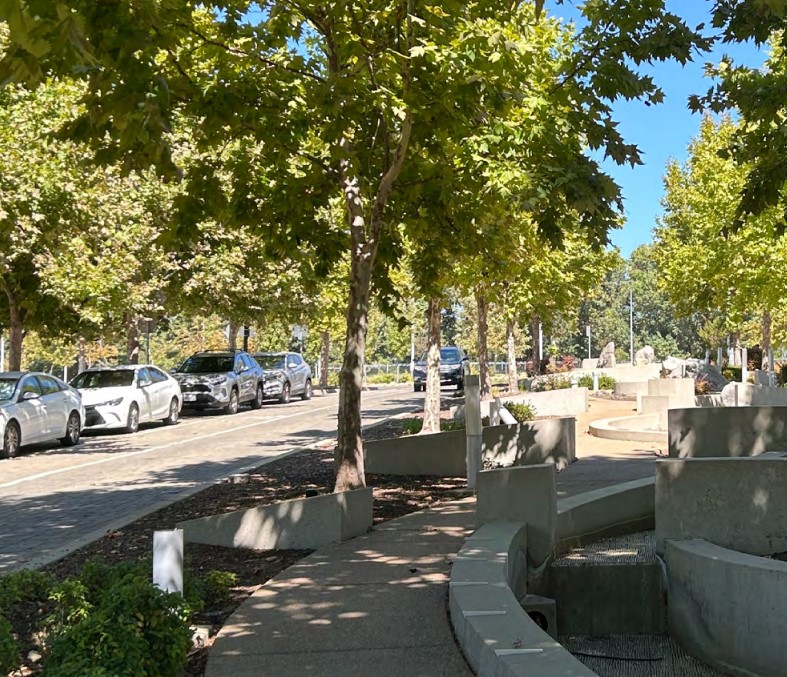
- Expand and strategically prioritize urban tree canopy in areas with high heat exposure and limited shade.
- Incorporate building features, such as lighter colors and building materials that reduce heat impacts into development standards.
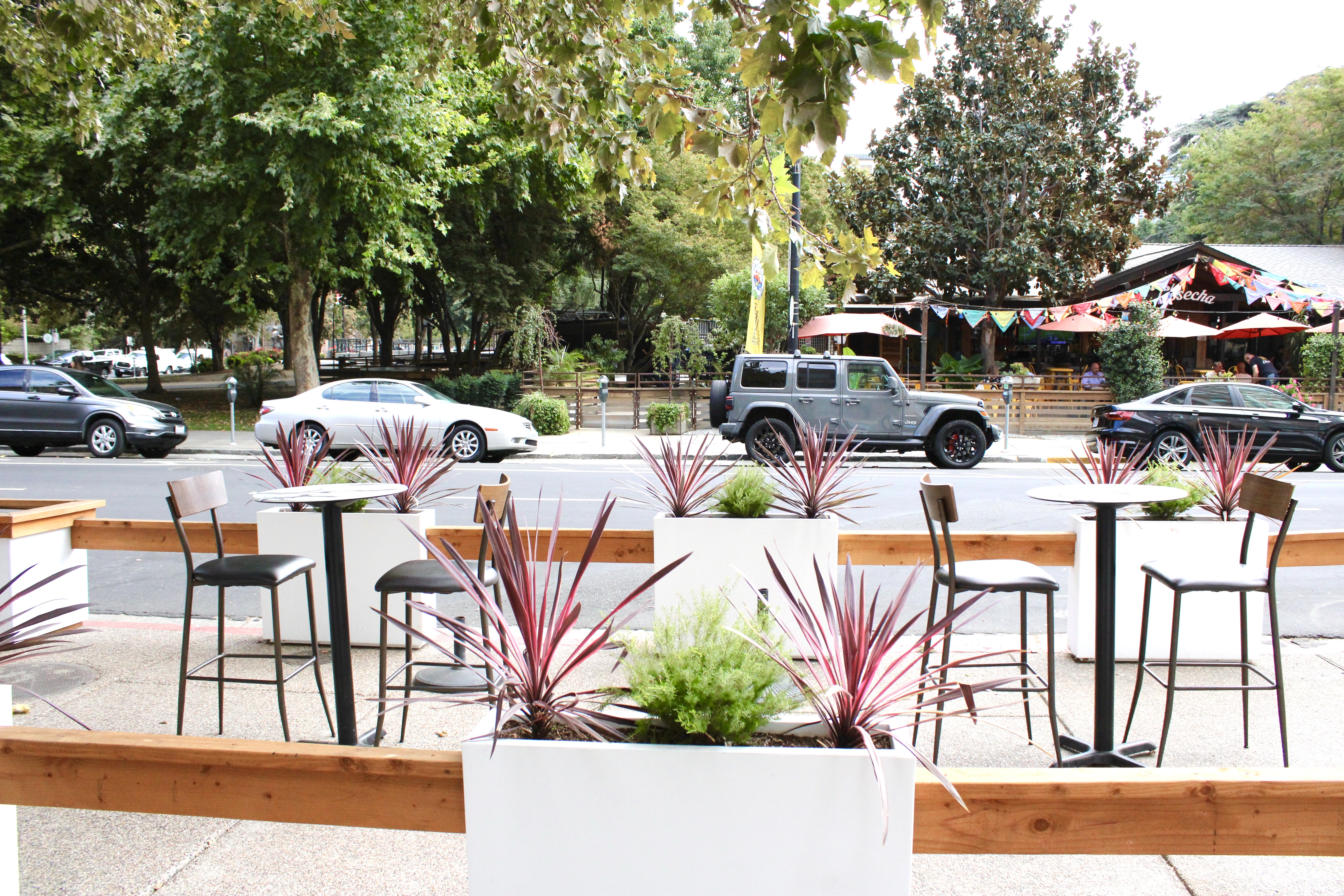
- Increase shaded pedestrian corridors, transit stops, and public spaces to reduce heat exposure.
- Integrate heat resilience criteria into zoning code and design guidelines updates.
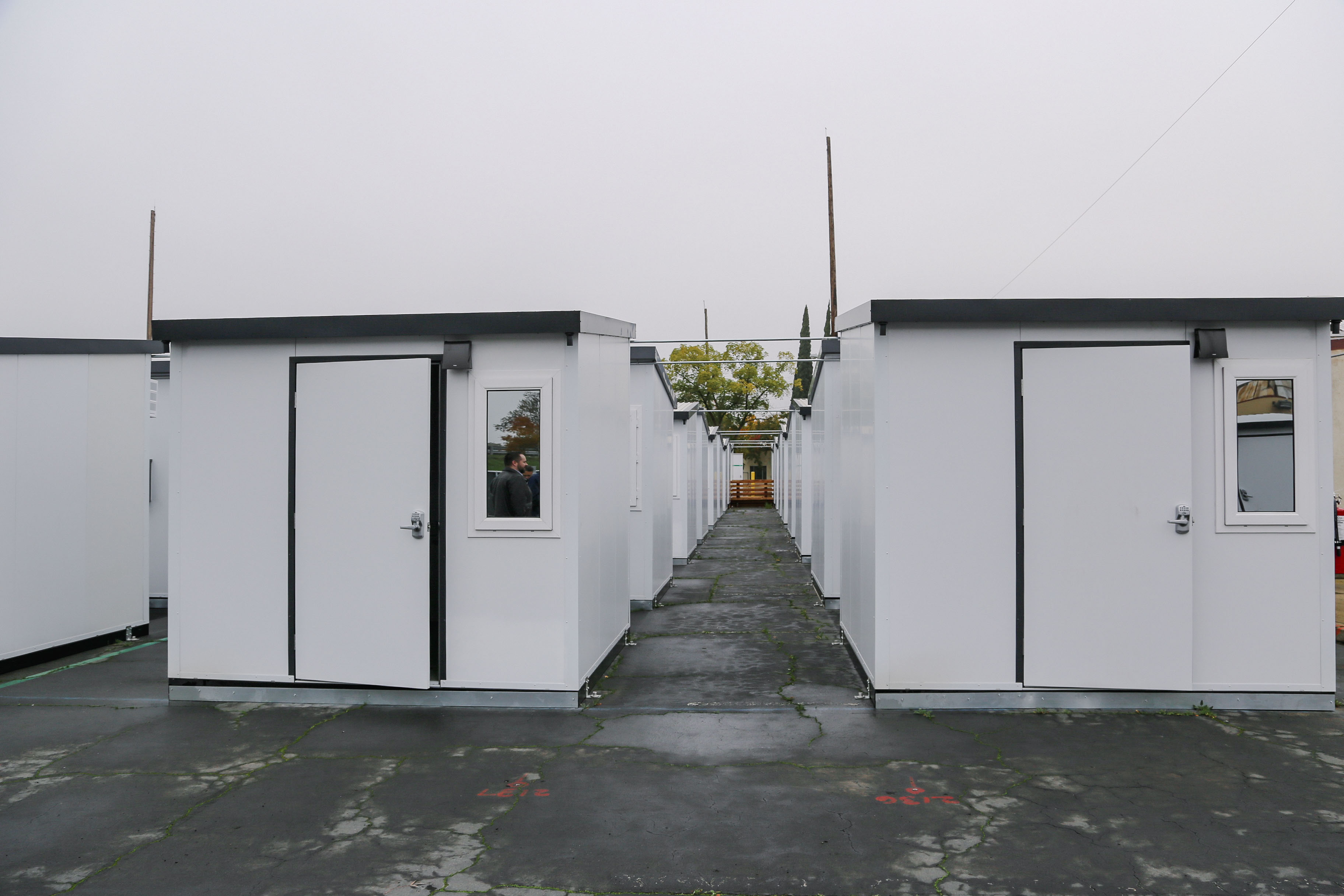
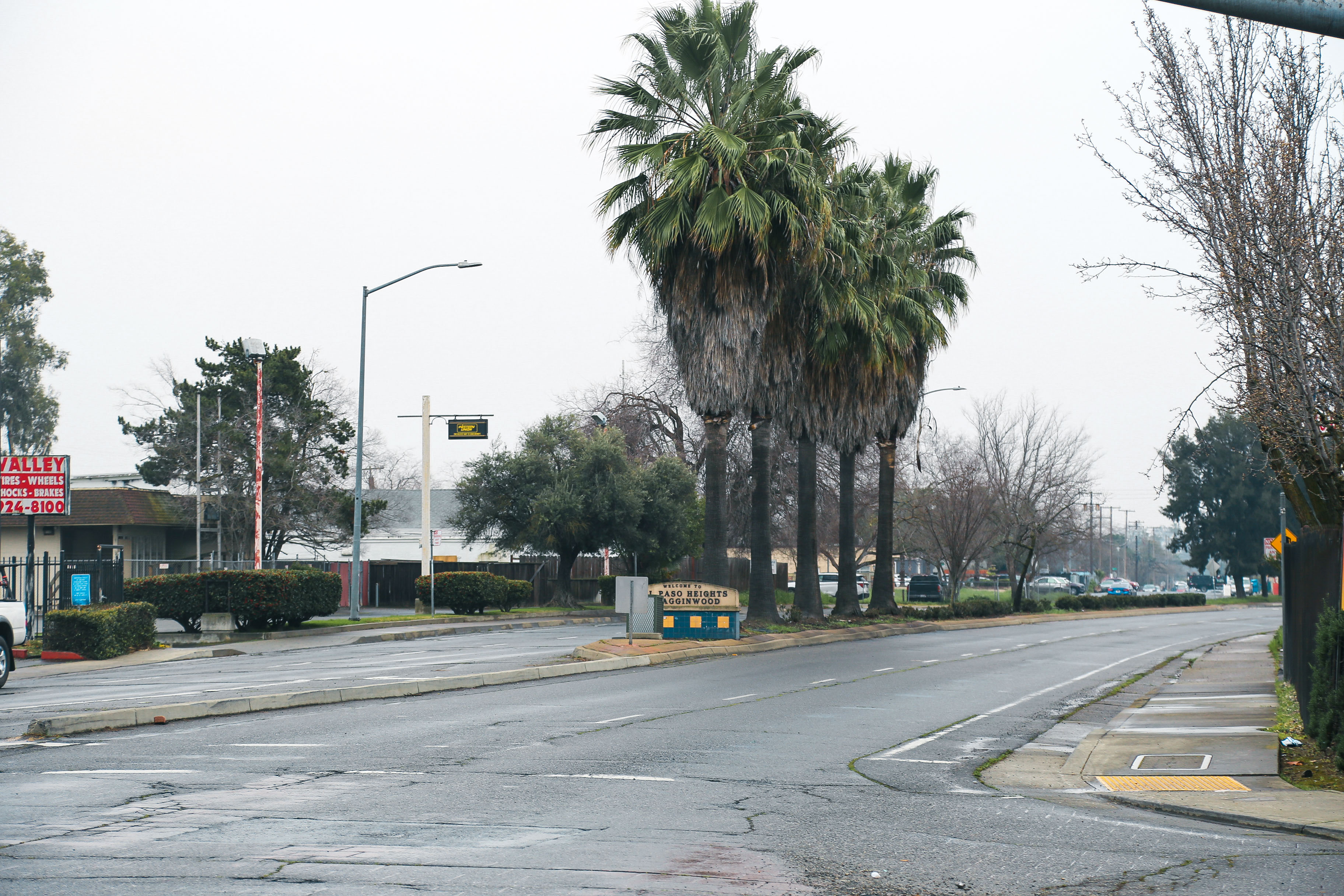
The TAP process included background briefings, careholder interviews, a tour of heat impacted areas of the City and County, and facilitated working sessions to identify both policy changes and near-term implementation opportunities. The panel concluded with a public presentation outlining targeted, actionable recommendations.
Key themes from the panel included prioritizing investments in neighborhoods with the highest heat burden, embedding shade and cooling requirements into development regulations, and working toward an ongoing partnership between the City and County to align priorities and funding for implementation.
The final TAP report was published in January 2026 and is available for review on the project webpage.
Staff will present the TAP’s findings to the Planning and Design Commission on March 12.
For more information about the City’s climate action efforts, please visit the Climate Action & Adaptation Plan webpage.