Construction bids for the I Street Bridge Replacement Project came in significantly higher than expected last week, prompting City officials to reassess costs and next steps for the long-planned project.
The City received proposals from three nationally recognized contractors, with bids ranging from about $398 million to $517 million. Construction of the new bridge was estimated to cost $300 million.
Flatiron Dragados Constructors, Inc. submitted the lowest bid at approximately $398.5 million — almost $100 million higher than the City’s projected cost.
City officials said construction costs across the industry have been influenced by factors such as supply chains, labor markets and broader economic conditions, and that further outreach with contractors will help clarify the specific drivers behind the bids.
The higher-than-expected costs mean the project is no longer on track to begin construction this summer, as previously anticipated.
Since 2012, the City and its partners have advanced the project through design, environmental clearance, funding coordination and permitting, leaving it ready to move forward once funding challenges are addressed.
“At this point, it’s truly shovel-ready,” said Assistant City Manager Ryan Moore. “If we don’t move forward from here, it would be extremely difficult to get a project like this back to this stage in the future. This project remains a priority for the City and our regional partners as we work through funding challenges and move it forward.”
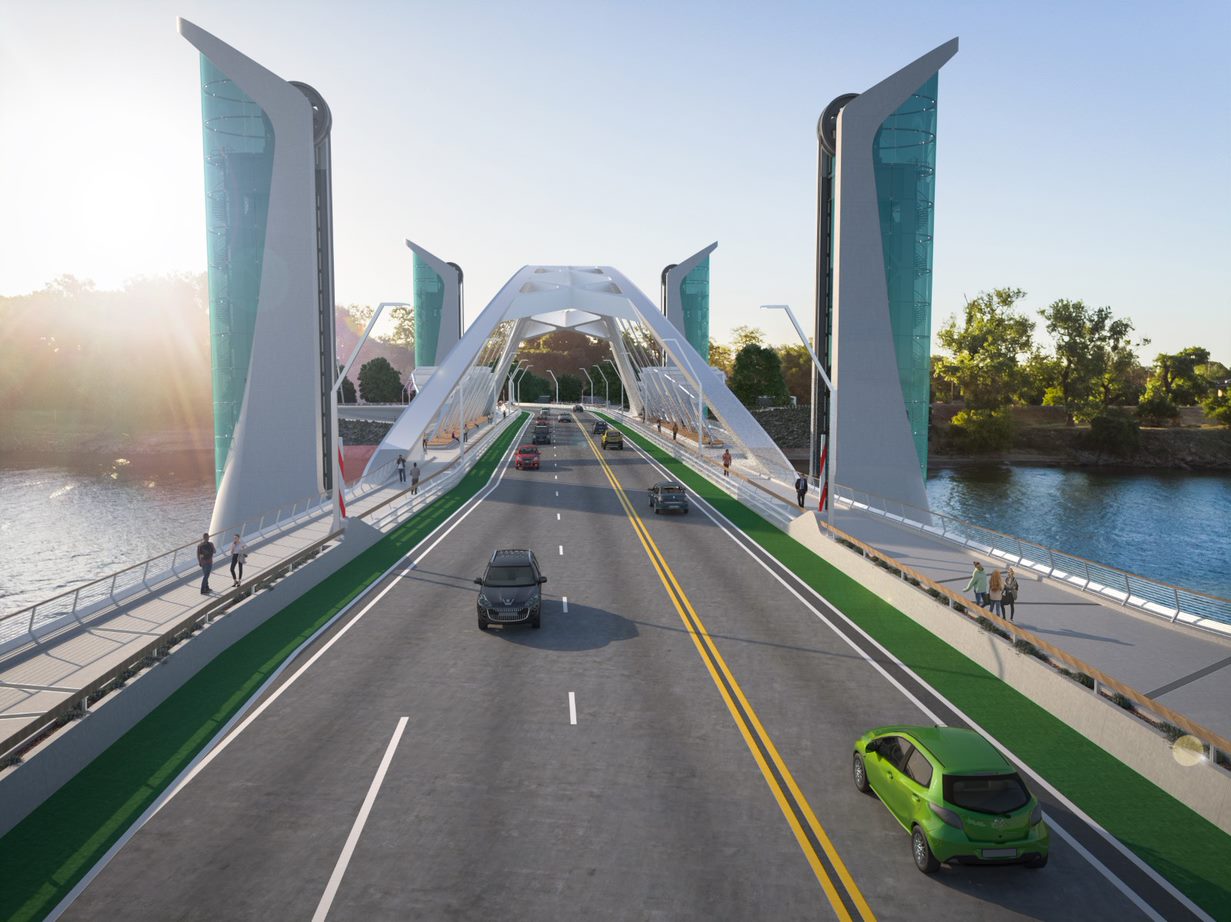
The replacement bridge will feature 12-foot shared-use paths for pedestrians and cyclists, wider travel lanes to accommodate buses and emergency vehicles, and improved connectivity to trails and regional destinations.
The existing I Street Bridge, built in 1911, will remain in place and be converted into a bicycle and pedestrian-only crossing on its upper deck.
City staff are expected to recommend rejecting the current bids due to the cost gap and returning to the market after refining bid documents and conducting outreach with contractors to better understand market conditions.
That work will include coordination with the Sacramento Transportation Authority, regional partners and Caltrans, along with evaluating potential adjustments to the project’s scope. Existing financing plans remain in place and will continue to guide the project as staff refine next steps.
An updated timeline is expected, with a potential construction start likely pushed into 2027 due in part to environmental work windows that limit in-river construction.
Even with the delay, officials noted the project remains fully designed and permitted — a position that would be difficult to replicate if the project stalls for an extended period.