A package of measures approved by the Sacramento City Council on Nov. 10 aims to help convert office buildings into housing, simplify development reviews and offset accessibility improvement costs for small businesses.
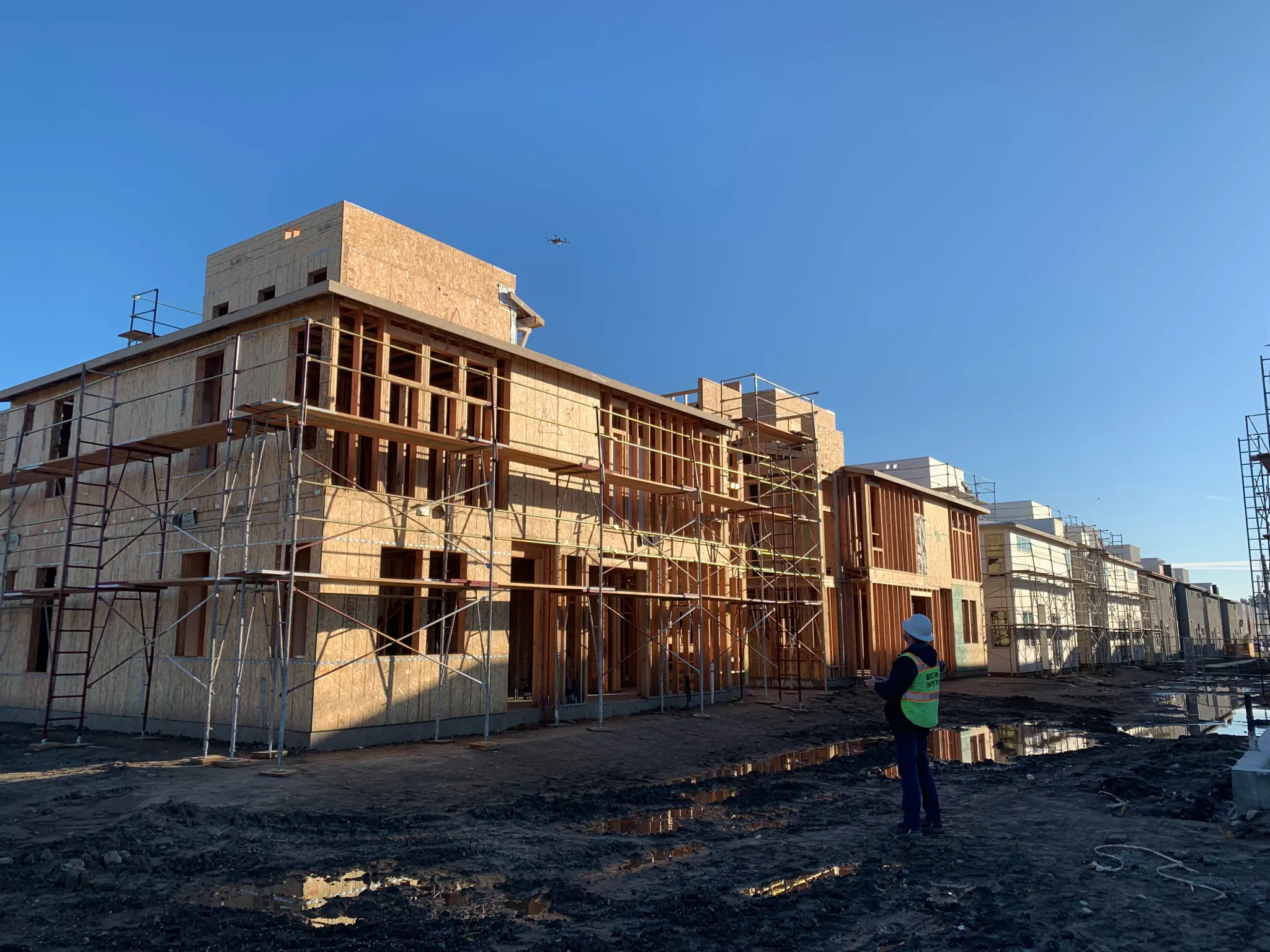
The actions are part of the Streamline Sacramento Strategic Action Plan, a City effort to boost housing production and support economic development by reducing review timelines and costs, and making permitting quicker and more predictable.
The newly approved measures build on administrative improvements City staff have been making since the effort launched in 2025.
“Our Streamline Sacramento Strategic Action Plan will make it easier to do business in our city and grow our economy,” said Mayor Kevin McCarty. “By cutting red tape and lowering costs, we’re helping businesses grow and making it easier to build more homes. Businesses and developers have choices across the region, and we want them to choose Sacramento.”
“Our goal should be to make Sacramento the most business-friendly city in California,” said Councilmember Phil Pluckebaum, who represents District 4. “Our City Council declared that economic development is our top priority which includes building housing at all income levels and eliminating roadblocks for business and investment. Streamline brings tools and incentives that will make housing, ADUs, and small business easier for Sacramentans to achieve.”
“If we want to build more housing, support our small businesses, and invest in our neighborhoods, we need to make sure City bureaucracy isn’t standing in the way,” said Councilmember Caity Maple, who represents District 5. “Through this working group, we’ve been listening to the people trying to build and open businesses in Sacramento about the challenges they face, and finding common sense ways to address them. These changes are about making sure red tape doesn’t get in the way of people who want to invest in our communities.”
“Economic development is a priority for our City Council, and our job is to turn that priority into action,” said City Manager Maraskeshia Smith. “Streamline Sacramento is about making City processes more efficient and predictable so it’s easier to build housing, open businesses and invest in our community.”
- Supporting office-to-housing conversions
Converting existing buildings into housing can involve costly renovations, including seismic upgrades and changes to building layouts. The new Adaptive Reuse Investment Incentive Program creates a way to help eligible projects cover the cost of required affordable housing units under California’s Office to Housing Conversion Act, Assembly Bill 507.
The City now has the ability to provide incentives using its share of increased property tax revenue generated by a qualifying conversion for up to 30 years. Each project’s funding request will require separate City Council approval.
Related City Code changes establish a streamlined administrative permit process for conversions, allowing projects that meet established requirements to receive approval through a checklist review.
- Simplifying demolition reviews
Changes to the City Code will expand exemptions from site plan and design review for certain demolitions, subject to preservation review and other conditions.
Residential accessory structures, such as detached garages and sheds, that are 50 years old or older may qualify if they are outside historic districts, do not involve a landmark and the City’s preservation director declines to nominate them for the local historic register. This could reduce review steps for homeowners replacing an older garage with an accessory dwelling unit (ADU).
Another exemption covers certain structures damaged by fire or natural disaster that do not contribute to the historic significance of a district or landmark. It applies when the structure has not been deemed immediately dangerous and the preservation director determines that repair is impracticable for reasons other than cost.
Separately, City staff are updating procedures to allow demolitions earlier in the permitting process or without a replacement development proposal. These changes remain subject to City guidelines or authorization, with public safety and historic resource protections maintained.
- Reducing review steps for home designs
Homebuilders will have a simpler process for approving house designs that can be used across multiple developments through the City’s registered house plan program.
The City’s design director will be able to approve the plans without a Planning and Design Commission hearing, reducing the time and cost of architectural review.
Once a plan is approved, projects will not need another architectural design review. Staff will still review site requirements, including setbacks, height, open space and permitted land uses.
- Helping small businesses pay for accessibility improvements
The new Small Business Accessibility Rebate Program will help eligible businesses pay for accessibility evaluations and improvements.
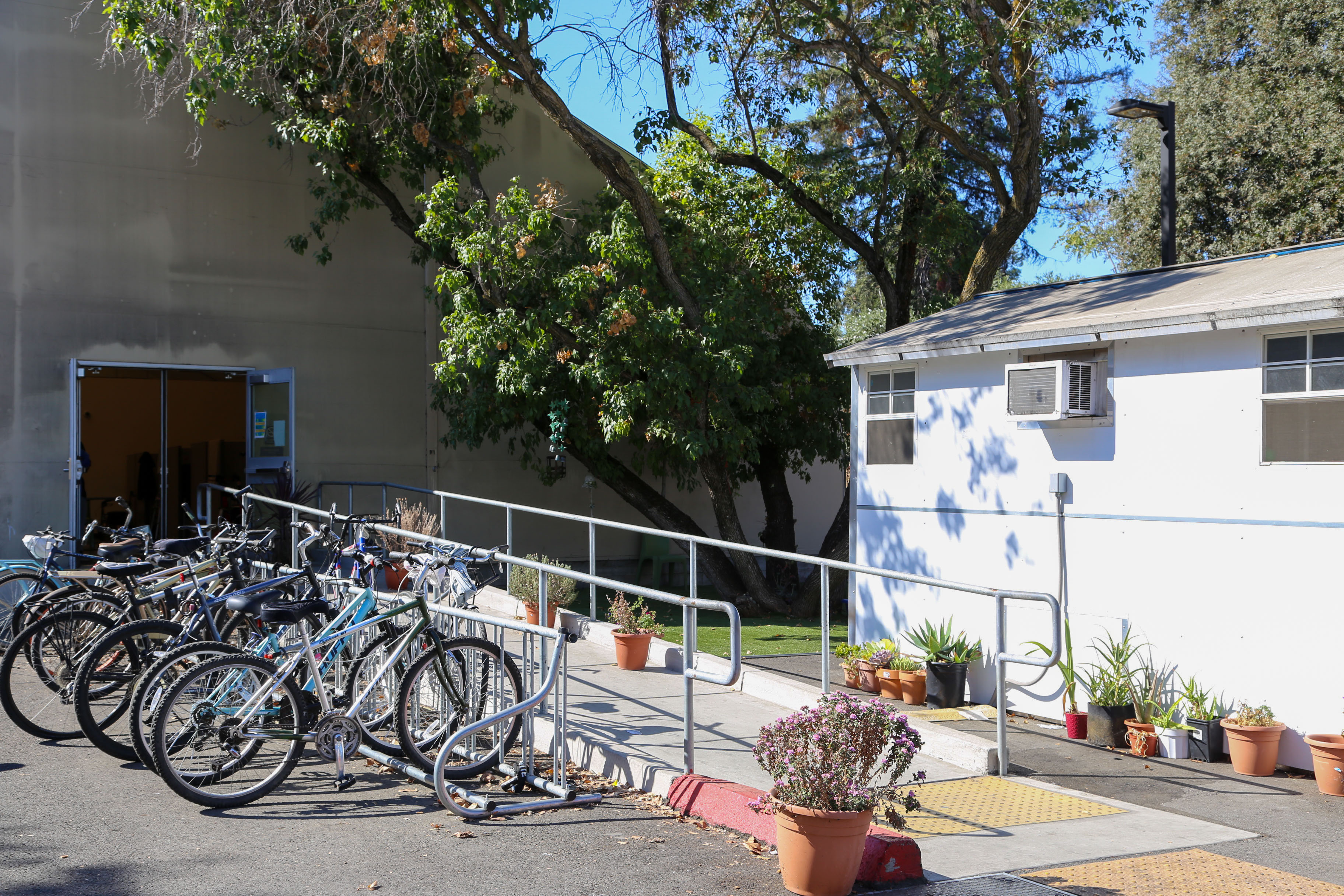
Rebates of $2,500 to $10,000 will reimburse up to 50% of eligible costs, including ramps, widened doorways, handrails and accessible fixtures. The assistance is intended to address unexpected renovation costs while improving access to businesses for people with disabilities.
Qualifying projects must be within Sacramento city limits, serve a space open to the public and have a total construction valuation of $100,000 or less. Building permits and other program requirements also apply.
Applicants must sign a rebate agreement with the City before beginning reimbursable work. Payment follows completion of the approved improvements and final permit approval.
Funding comes from a state-required $4 fee collected on Business Operations Tax Certificates. Participating businesses will be required to complete at least five hours of counseling through the City’s Business Solutions Center.
About the Streamline Sacramento Strategic Action Plan
The effort began in 2025, spearheaded by Mayor Kevin McCarty, Councilmember Phil Pluckebaum and Councilmember Caity Maple with support from the full City Council. The initiative brings together staff from Community Development, Public Works, Utilities, Finance, Economic Development and Fire to improve the development approval process.
Changes already in place include free optional zoning review for ADUs, an automated submission process for plan review of small projects and a dedicated building inspection phone line.
Staff also are studying opportunities to shorten building plan review timelines in early 2027 and developing a concierge service to connect applicants with City contacts and resources.
Visit the Streamline Sacramento webpage for updates and information about the initiative.