The City of Sacramento is initiating a $1.2 million planning effort to improve mobility and connectivity in Old North Sacramento, an area affected by longstanding transportation barriers
The Reconnecting Old North Sacramento project, approved this week by City Council, will focus on identifying ways to address mobility challenges created by Highway 160, the Capital City Freeway, and Union Pacific Railroad tracks. According to city staff, these three major obstacles isolate Old North Sacramento from neighboring areas and critical resources.
The outcome will be a community-driven plan that identifies near- and long-term feasible and fundable projects, programs, and policies aimed at enhancing mobility, access, and safety for community members, while supporting local businesses and residents.
“While this effort does not necessarily propose to reconstruct Highway 160, it recognizes the highway, along with other infrastructure, as a longstanding barrier that has cut Old North Sacramento off from downtown, the American River Parkway, and vital services,” said Jennifer Donlon Wyant, Mobility and Sustainability Division Manager. “This planning effort is about listening to the community and finding meaningful ways to reconnect them to opportunity.”
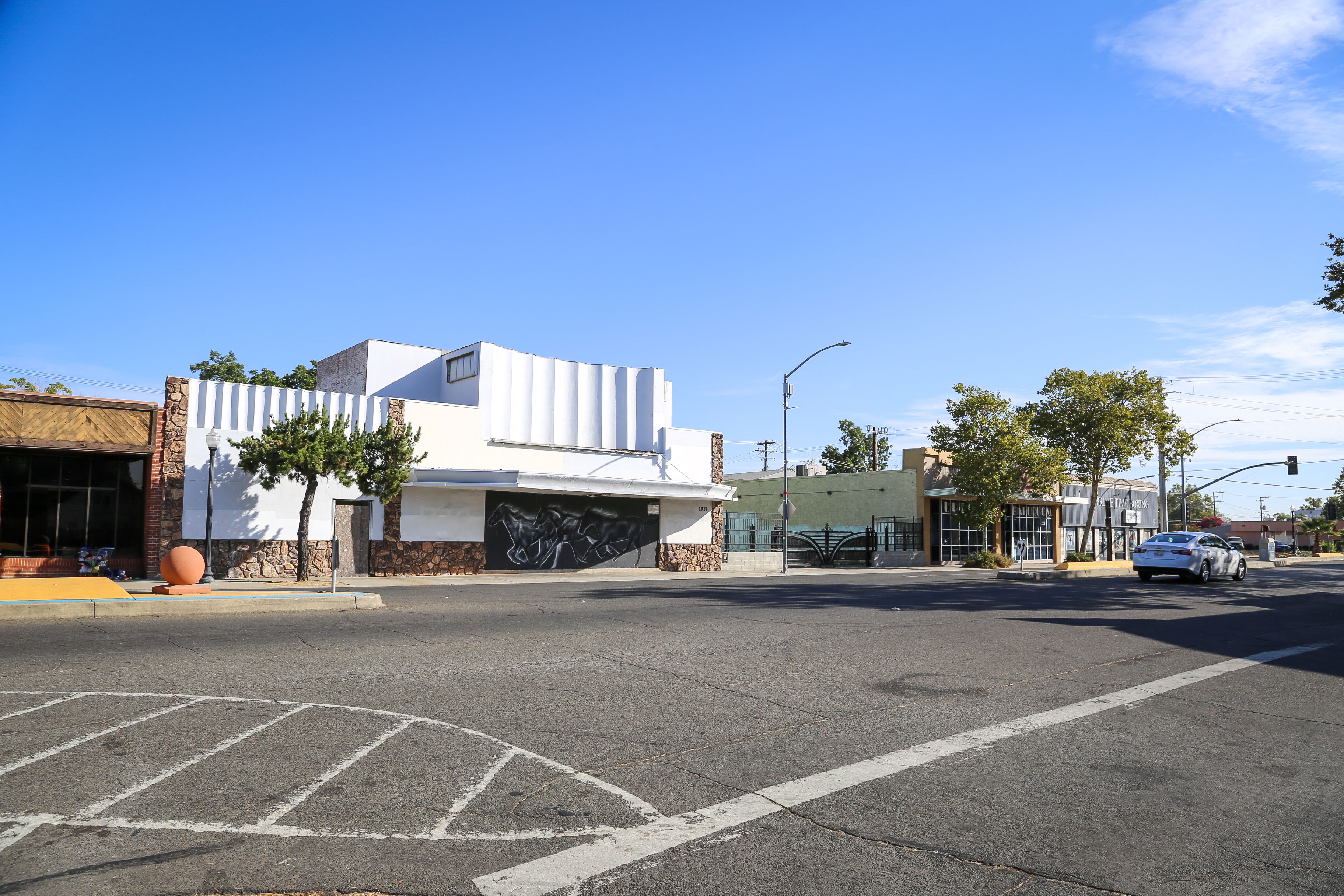
The effort follows generations of economic and social decline tied to the construction of these transportation facilities. Old North Sacramento’s central corridor, Del Paso Boulevard, was once one of the most traveled commercial corridors in Northern California, surrounded by middle- to upper-class neighborhoods in the mid-twentieth century.
After Highway 160 was constructed in the 1950s, traffic was diverted away from the boulevard, cutting off access and contributing to a long-term decline. Today, the area continues to experience limited pedestrian and cyclist access and a high number of vacant storefronts.
Seven of the eight census tracts within the project area are classified as disadvantaged, with residents facing high rates of poverty, pollution, and poor health outcomes, according to state and federal screening tools.
The planning process will include public engagement, data collection, and technical studies, and is expected to result in a comprehensive community vision and a set of implementable projects and policies.
It also aligns with city goals for equity, environmental justice, and sustainable transportation as outlined in Sacramento’s 2040 General Plan and Climate Action and Adaptation Plan.
The City is collaborating with community groups and agencies, including the Sacramento Area Council of Governments, which submitted the successful federal grant application on behalf of the City.
The effort is funded in part by a $1 million federal grant through the Reconnecting Communities and Neighborhoods Program, along with a $200,000 local match from the Vision Zero Safety Program. A Community Advisory Group will guide the planning process, ensuring the effort reflects the voices of those most affected.
“This project has the potential to help right historical wrongs and lay the groundwork for a more connected, resilient, and thriving Old North Sacramento,” Donlon Wyant said.
The planning phase is expected to be completed within three years.