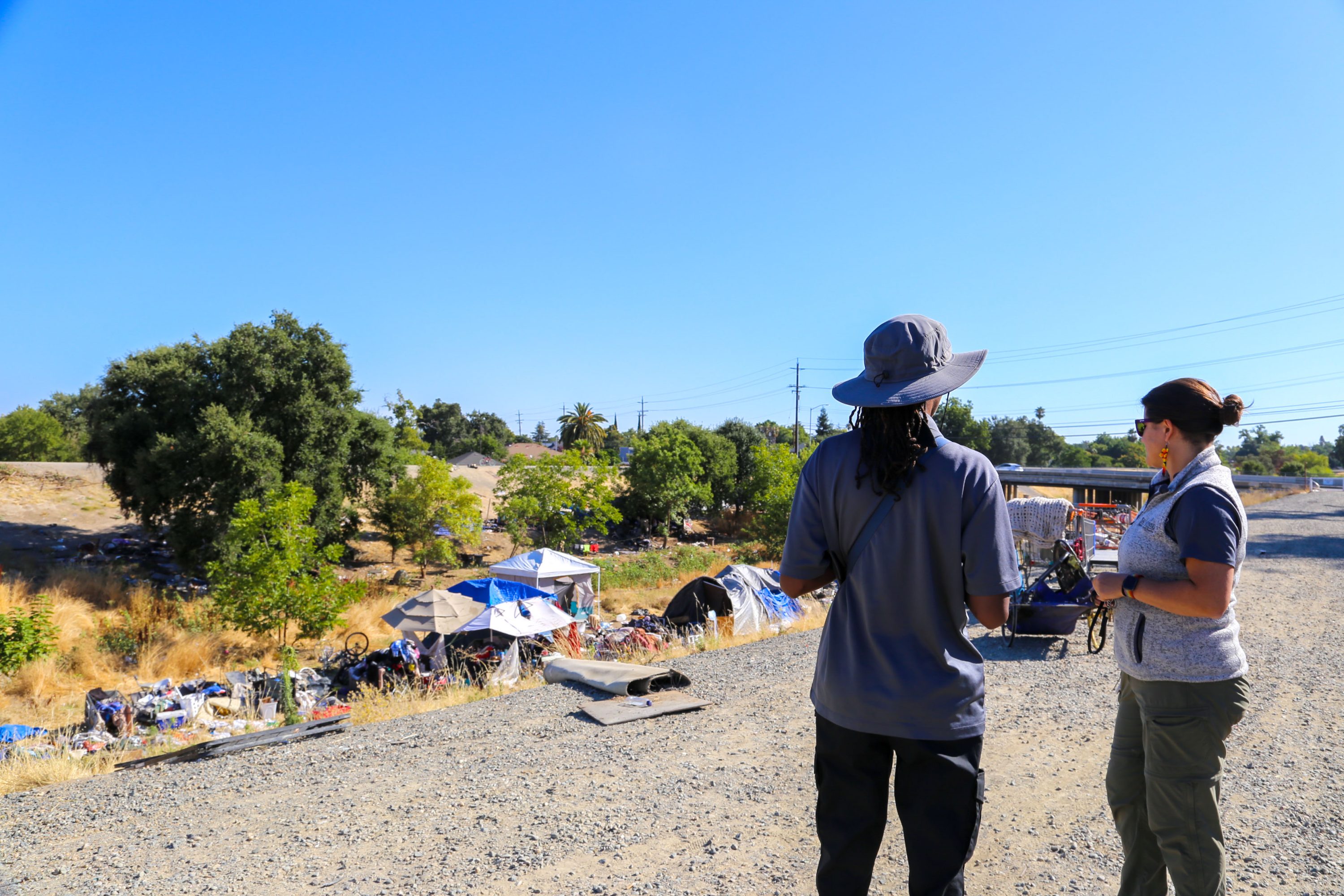
The number of people living on city of Sacramento streets has dropped by 19% — a reduction of nearly 600 people — according to the most recent Point-in-Time Count.
The biennial census counted 2,463 people experiencing unsheltered homelessness in the City earlier this year, down from 3,053 people in 2024.
The PIT Count, released May 13 by the non-profit Sacramento Steps Forward, found that though unsheltered homelessness has decreased significantly within the city of Sacramento, the overall number of people experiencing homelessness across Sacramento County has increased by 13% since 2024, going from 6,615 to 7,458.
Of the estimated 7,458 people experiencing homelessness across Sacramento County, 3,253 were in a shelter or transitional housing, a 22% increase from 2024. This reflects an expansion of shelter capacity and improved regional coordination in addressing unsheltered homelessness, said Lisa Bates, CEO of Sacramento Steps Forward.
“This year’s data shows that recent investments in shelter and coordinated access are making a meaningful difference,” Bates said. “More people are accessing shelter and connecting to services in prior years. At the same time, shelter alone is not enough to resolve homelessness. To build on this progress, our community must continue expanding pathways from homelessness to permanent housing through sustained investments in housing, prevention and coordinated access.”

Fewer encampments on city streets
Historical data shows an even larger decrease in unsheltered homelessness in the city of Sacramento. Since the 2022 PIT Count, the city has experienced a 50% decrease in people living on the streets.
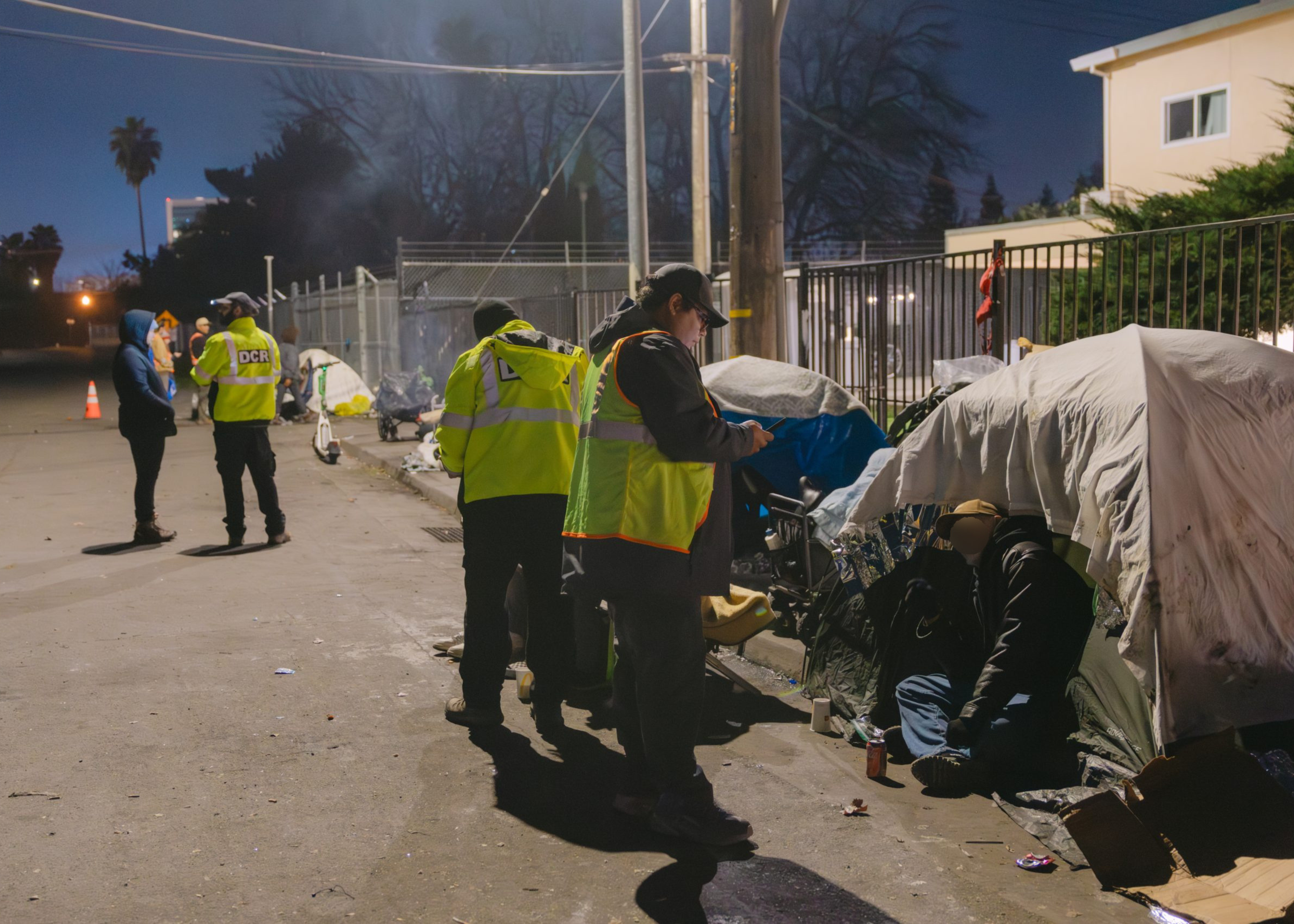
The substantial reduction in unsheltered homelessness over the years can be credited to three primary factors, leaders said: an increase in local shelter beds; the Department of Community Response’s (DCR) targeted, data-driven homelessness response; and the Incident Management Team’s (IMT) ability to couple outreach and compliance efforts in real time.
“Addressing homelessness remains one of our biggest and most unfinished challenges,” said Mayor Kevin McCarty, whose Six-Point Plan to address unsheltered homelessness created an enhanced framework for achieving the positive results. “The 2026 Point-in-Time Count is a mixed bag. It shows real progress: fewer people living unsheltered, expanded shelter and bed capacity, and stronger connections to services. We must stay the course by strengthening regional collaboration with the County, expanding beds and services, and delivering compassionate, cost-effective, and accountable solutions.”
“It’s clear from the PIT Count that the City of Sacramento is making measurable, sustained progress,” said City Manager Maraskeshia Smith. “With our organized, coordinated outreach and more shelter and transitional housing options, people are moving off our streets and into better circumstances, improving quality of life across Sacramento. But there is still more work to be done. We look forward to continuing our partnership with Sacramento County and addressing homelessness throughout the region.”
Since the 2024 PIT Count, shelter capacity within the city has increased by more than 500 beds/units, including expansion at the Outreach and Engagement Center and the launch of the Roseville Road Service Campus and the Stockton Boulevard Safe Stay, which is operated in partnership with Sacramento County.
In addition, the City launched its Street to Housing pilot program, which has supported more than 120 people moving directly from encampment settings into apartments.
The Roseville Road Service Campus, Stockton Boulevard Safe Stay and the Street to Housing program are supported by State of California Encampment Resolution Funds, which target a specific geographical area of focus within the city for outreach.
For example, the recent expansion of the Roseville Road Service Campus supports people who previously were living on the Sacramento Northern Parkway. The Stockton Boulevard Safe Stay shelters people specifically from the Alhambra/X Street corridors.
“The State’s partnership, combined with the City’s strategic investments and coordinated response, is helping more people move indoors and improving conditions across Sacramento,” said Brian Pedro, who leads DCR and the IMT.
DCR and the IMT’s deployment seven days a week to respond to homelessness calls also has played a role in decreasing unsheltered homelessness, Pedro said.
“They really are the operational engines, making our response system stronger than it has ever been,” he said.
So far in 2026, DCR/IMT has received more than 10,000 calls for service, created 2,300 unsheltered-resident engagements, obtained compliance with City laws and ordinances more than 5,000 times and cleaned up more than 1.1 million pounds of garbage.
More sheltering for chronically homeless, veterans
The PIT Count also showed improved outcomes for people with mental illness, the chronically homeless and veterans experiencing homelessness.
- Adults experiencing a serious mental illness saw a 3% decrease in unsheltered homelessness and a 71% increase in sheltered homelessness, indicating more individuals were connected to indoor settings and services.
- Among people experiencing chronic homelessness, sheltered homelessness increased by 62%, suggesting more individuals with long-term and complex service needs were connected to interim housing opportunities.
- Veteran homelessness declined overall, with a 4% decrease in unsheltered veterans and a 15% decrease in sheltered veterans, reflecting continued progress in reducing homelessness among veterans through targeted outreach and housing interventions.
The 2026 PIT Count was held over two nights in January by nearly 800 trained volunteers. The results are submitted annually to the U.S. Department of Housing and Urban Development (HUD) following data validation and analysis.
The count previously has been held every two years. Sacramento Steps Forward said it intends to conduct the count annually to better track trends, evaluate system performance and respond more quickly to emerging needs across the region.