The City of Sacramento is working across multiple departments and with Sacramento County to connect people experiencing behavioral health challenges with services, treatment and shelter.
During a City Council workshop Tuesday, Oct. 13, requested by Mayor Kevin McCarty, the City’s Department of Community Response outlined existing State and County programs and services, challenges in accessing treatment and opportunities to strengthen coordination with Sacramento County, which is responsible for providing behavioral health treatment services for the region.
“The City has teams working every day to connect people with shelter, behavioral health services and treatment,” said Department of Community Response Director Brian Pedro. “We have a number of programs and partnerships already in place, and we’re looking at how we can better coordinate those resources to help people get the care they need.”
Behavioral health needs
According to California Department of Health Care Access and Information, 300,000 people in Sacramento County live with mental illness, many of them housed.
Approximately 12,000 of those individuals have a high-acuity behavioral health disorder, and 1,250 have self-reported as having a behavioral health disorder and experiencing homelessness, Pedro said in his presentation.
While the City of Sacramento has seen unsheltered homelessness decrease by approximately 50% over the past four years, according to the Point-in-Times (PIT) counts, City staff say connecting people experiencing homelessness who have acute behavioral health needs with treatment remains a significant challenge.
In coordination with the County and other organizations, the City provides several services to support residents with behavioral health needs, including:
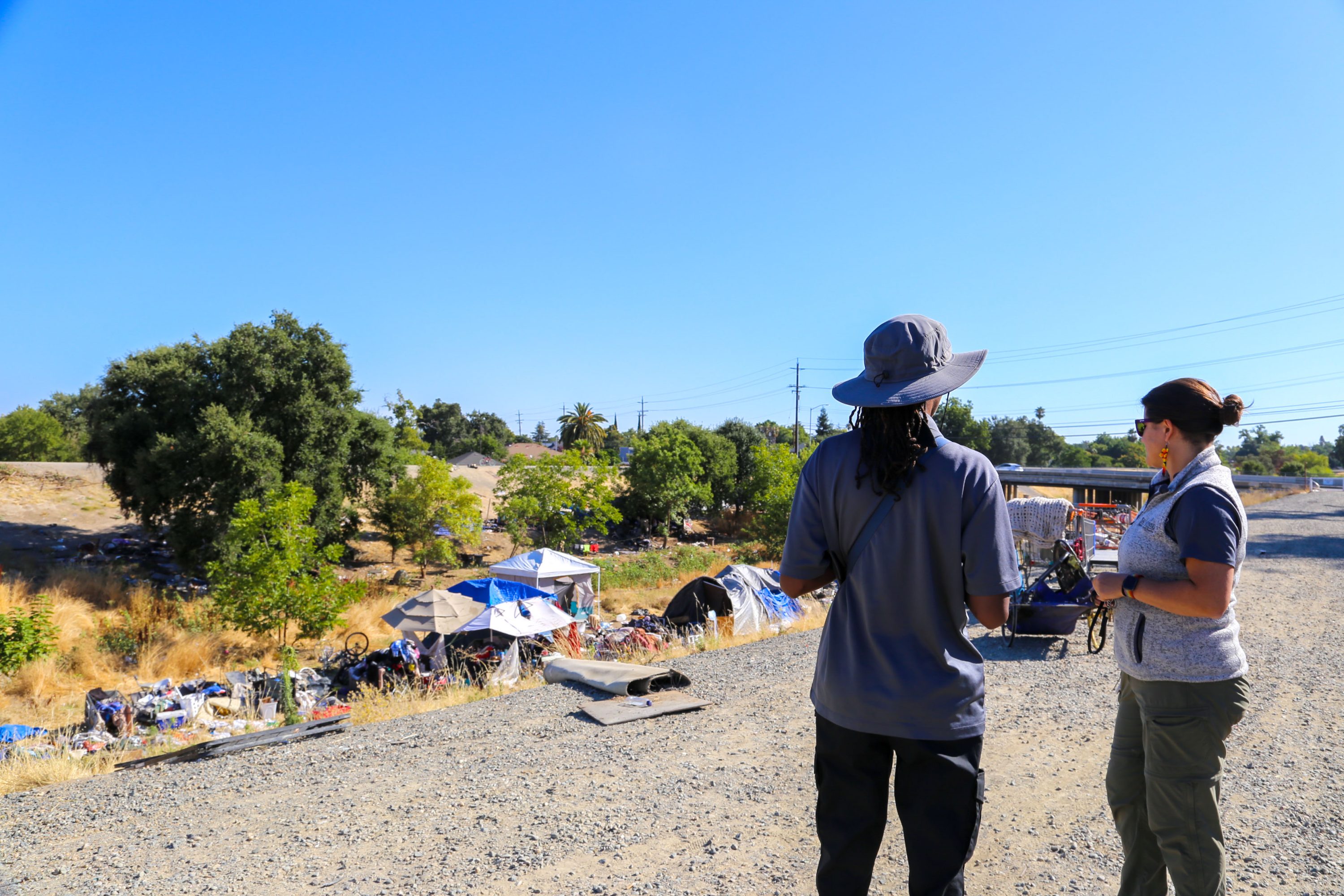
- Street outreach and shelter connections: Department of Community Response teams made more than 6,100 outreach contacts in 2025 and transported 1,104 people to shelter.
- Crisis response: The Sacramento Fire Department operates specialized teams, including its Mobile Crisis Unit, Mobile Integrated Heath and Street Overdose Response Team (SORT) to directly serve people in the field with physical and behavioral health needs.
- Behavioral health outreach: Through the City-County Partnership Agreement, the County’s Homeless Engagement and Response Team (HEART) provides clinicians and peer specialists who work in the field and City shelters to connect people with treatment.
- Substance use outreach: City teams provide overdose prevention resources, including naloxone and fentanyl test strips, and transportation to treatment facilities.
- Crisis call coordination: Police and Fire dispatch systems can connect eligible calls to the 988 Suicide & Crisis Lifeline and the County’s Community Wellness Response Team.
Strengthening coordination
The workshop examined challenges in connecting people with serious behavioral health conditions to ongoing treatment, particularly those who repeatedly cycle between emergency services, hospitals and homelessness.
Mayor Pro Tem Eric Guerra emphasized the need to strengthen coordination among City departments, Sacramento County, hospitals and treatment providers, including improving how agencies share information about individuals who frequently use emergency services.
“Simply put, we’re not connecting enough people to treatment,” Guerra said. “People on the street can’t wait for the State to implement changes. If we coordinate better with the County now, we can lessen the strain on our first responders and budget, while saving the lives of the most vulnerable members of our community.”
The Department of Community Response, the Sacramento Police Department and the Sacramento Fire Department are currently working with the Harvard Kennedy School Government Performance Lab to evaluate existing response systems and identify opportunities for an expanded alternative 911 response model.
Next steps
City staff will review the existing City-County Partnership Agreement and work with Sacramento County to identify potential updates that reflect current behavioral health programs, new State legislation and opportunities for improved coordination.
Guerra and other councilmembers also recommended further developing a “high utilizer multidisciplinary task force” consisting of administrators, clinicians, first responders and others to better leverage State programs such as CARE Court and coordinate support and treatment for individuals who disproportionately utilize local care systems, including hospitals.
In addition, Councilmembers recommended working with partners to bolster the City’s legislative platform and explore potential changes to State laws affecting behavioral health treatment.
The Oct. 13 workshop was informational and did not include approval of new programs or funding.