A new City audit, released on Thursday, found that Sacramento’s diverse homeless shelter system provides multiple pathways to support unhoused residents, however, better defined performance measures are needed to gauge the overall efficacy and cost-effectiveness of the City’s response.
The audit, which took around a year to complete, found that Sacramento spent approximately $63.2 million on homeless shelter programs between fiscal years 2024 and 2025, creating a range of services to meet different needs of unhoused individuals.
While the City’s shelters helped move people into housing at rates above statewide averages, the audit found the City can design key performance measures tailored to the shelters’ specific functions, clientele and operating models to better identify which programs are most effective and whether shelter investments are achieving the best possible results.
The audit included six findings and 12 recommendations to further strengthen performance measurement, resource allocation, and program implementation to better understand program effectiveness and maximize the impact of shelter investments. The audit also offered guidance for increasing shelter capacity at existing facilities.
“We wanted to take a comprehensive look at the City’s shelter system and how its various programs work together to serve people experiencing homelessness,” said City Auditor Farishta Ahrary. “Our review identified opportunities to increase shelter capacity within existing facilities, strengthen program implementation, and improve the use of performance metrics so City leaders can better understand what is working well and where additional improvements may be needed.”
“Addressing homelessness requires a range of strategies and ongoing evaluation of what works,” said City Manager Maraskeshia Smith. “This audit gives us important information to help refine our approach, strengthen accountability and improve how we measure outcomes. We will use these findings to help ensure City resources are being used effectively while continuing to support residents on their path to stability.”
The Department of Community Response, which manages the City’s shelters, agreed with all the recommendations and took proactive steps during the audit to begin implementing many of the proposed improvements.
“This audit provides valuable insight and feedback into ways we can continue to improve the effectiveness of our shelters and services we provide to our most vulnerable residents,” said DCR Director Brian Pedro. “We greatly appreciate the City Auditor’s thoroughness as well as the acknowledgement that homelessness is a complex and dynamic issue without a simple, one-size-fits-all solution.”
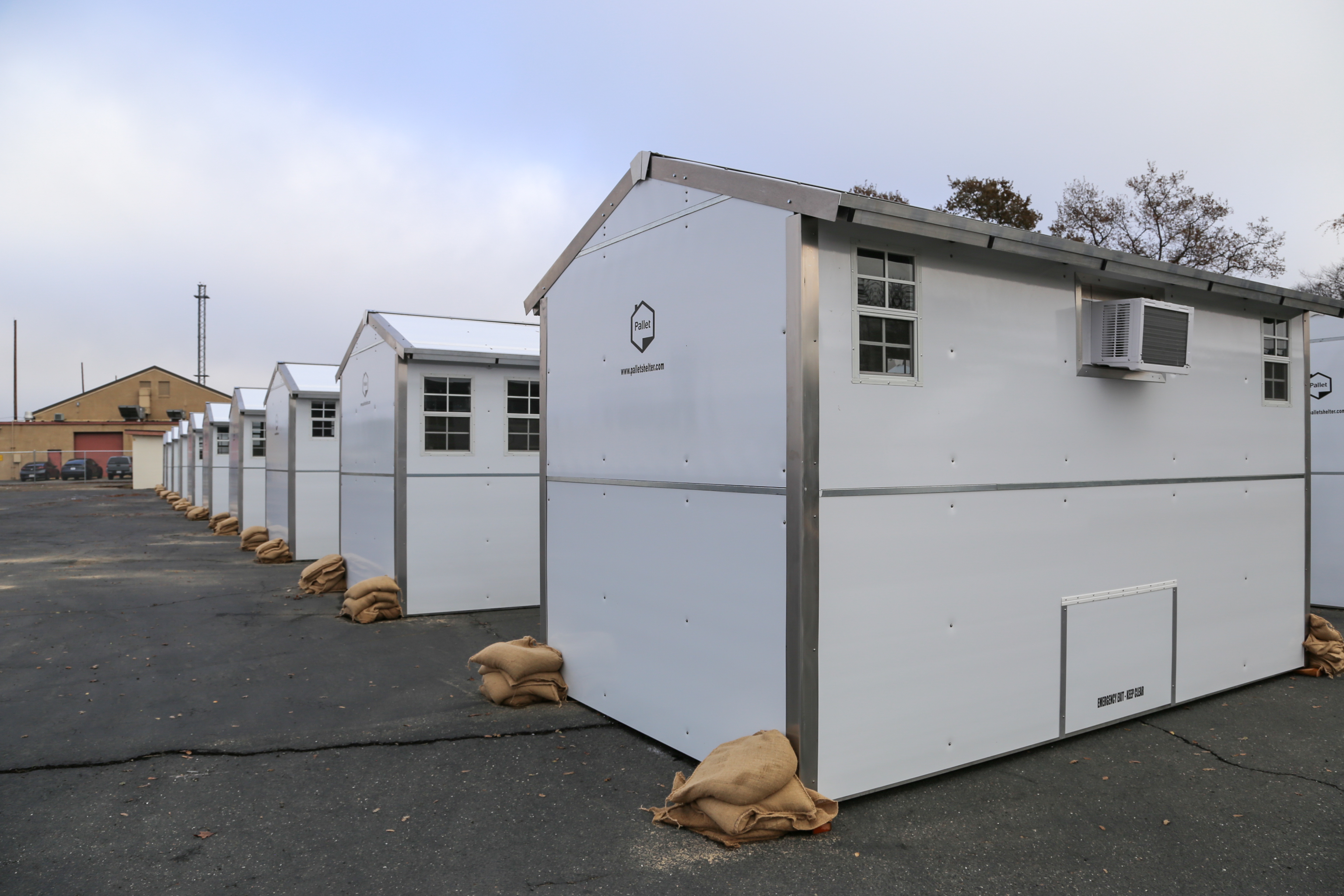
The audit identified that the City funded and managed 17 shelter programs serving distinct roles across the homelessness response continuum, ranging from providing immediate safety during emergencies to supporting housing placement and promoting long-term housing stability and improved client outcomes. These shelters are designed to serve different groups, such as youth or victims of domestic violence, and provide different levels of services based on needs.
The audit observed that shelter costs and operating models vary significantly across the programs, but the City lacks a consistent methodology to evaluate costs, outcomes, and tradeoffs, making it difficult to determine which approaches provide the greatest value and best support system goals.
“We found, essentially, the City can more clearly define how it balances shelter capacity, service levels, and outcomes, to help determine which investments provide the greatest value,” Ahrary said.
According to the audit, the City’s shelter programs achieve positive housing placement rates above reported statewide averages. While outcomes generally reflect each program’s design, larger programs generate the greatest number of housing placements due to their scale. As a result, the audit concluded that program performance should be evaluated within the context of each program’s goals, target population, and operating model.
The audit determined that, for shelters with substantial number of services inputted into HMIS, available data did not show a clear relationship between supportive services received and client outcomes. The results suggest the City may need stronger data and evaluation tools within the Homeless Management Information System to assess service effectiveness and better understand the external barriers that can affect participant success.
Finally, the audit identified opportunities to strengthen Good Neighbor Policies by better aligning them with neighborhood-specific conditions and establishing clear geographic areas of responsibility for shelter operators. The audit also recommends enhancing and standardizing communication with surrounding neighborhoods to improve transparency, manage community expectations, and provide more consistent channels for feedback.
The 128-page report is accompanied by a Fact Book providing additional information about the operations of the City’s homeless shelter system.
The new audit, available on the City Auditor’s website, is scheduled for presentation to the City Council’s Budget and Audit Committee at 11 a.m. June 16, followed by presentation to the City Council at 2 p.m. June 23.
The audit on the City’s sheltering program follows the extensive assessment the City Auditor provided on the City Motel Program, which was published in June 2025.